

Summary
- Prioritise protein. Include a protein-rich food at every meal to help support muscle health during weight loss.
- Eat smaller, regular meals. Smaller portions eaten slowly may be easier to tolerate.
- Increase fibre gradually and drink enough fluids. Vegetables, legumes and wholegrains can help support bowel regularity, while gradual increases may reduce bloating.
- Choose foods that are easier to tolerate. Large meals with fried or high-fat elements may worsen nausea, reflux or feelings of fullness.
- Include strength training where appropriate. Resistance exercise, alongside adequate nutrition, can help preserve muscle during weight loss.
- Plan for long-term health. A nutrient-dense eating pattern can help GLP-1 medication users meet nutritional needs during treatment and build habits that support health beyond the initial weight-loss phase.
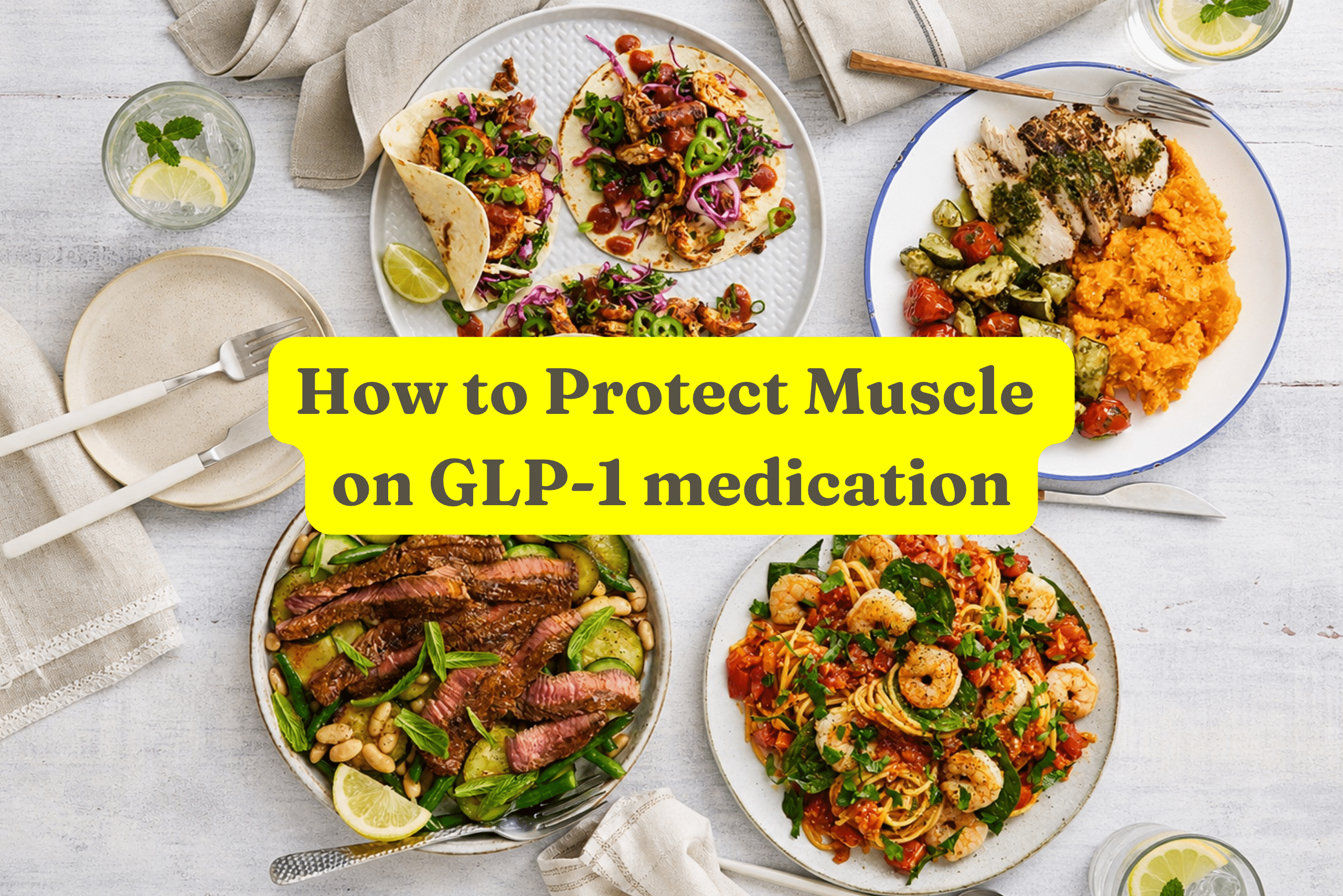
GLP-1 medication can reduce how much food a person eats, making every meal an important opportunity to meet nutritional needs. Prioritising nutrient-dense foods helps make that smaller intake count, both during treatment and beyond. In this guide, I’ll explain how to have a healthy approach to what you eat while taking GLP-1 medication for weight management, and how Marley Spoon’s GLP-1 Support range of recipes and ready meals has been expertly designed to support people taking GLP-1 medication.
Why is nutrition important while taking a GLP-1 medication?
GLP-1 medications can support significant weight loss, and eating well during treatment is important for meeting nutritional needs, preserving muscle and managing side effects such as nausea and constipation. In the first few months of starting to take a GLP-1 medication, focusing on getting the right intake of protein, fibre, fluids and nutrient-dense foods can help support health while appetite is reduced. [1, 2]
While managing short-term side effects is essential, establishing a long-term approach to nutrition is equally important. Research has shown that people who stopped taking GLP-1 medications regained approximately two-thirds of the weight they had lost within a year [3]. This highlights the importance of building sustainable eating habits alongside weight loss. As an Accredited Practising Dietitian and the in-house Dietitian at Marley Spoon, I set the nutrition criteria for our GLP-1 Support recipe and ready meal range.
How do GLP-1 medications affect appetite and digestion?
GLP-1 stands for glucagon-like peptide-1, which is a hormone released by the gut after eating. It helps to regulate appetite, promotes a feeling of fullness and can slow the rate at which food leaves the stomach. GLP-1 medications act on these pathways, helping people feel fuller for longer and reducing appetite [4].
What happens when someone starts eating less on GLP-1 medication?
Reduced energy intake can lead to weight loss, but it may also affect muscle mass, digestion and nutritional adequacy.
Muscle loss: During an energy deficit, muscle can be lost alongside body fat, particularly when protein intake is inadequate [2].
Digestive side effects: GLP-1 medications slow stomach emptying, which can make large or high-fat meals more difficult to digest or feel uncomfortable. Nausea and constipation are the most common, and some people also experience vomiting or diarrhea, particularly when treatment first begins or the medication dose increases. Clinical trials reported nausea in 25–44% of participants and constipation in 17–24% [2, 4]
Lower micronutrient intake: Eating less can reduce vitamin and mineral intake, particularly when dietary variety is limited. When people eat less overall, intake of iron, calcium, magnesium, zinc, vitamin D and vitamin B12 is more likely to fall short. Of these, studies in people taking GLP-1 medication have specifically flagged vitamin D, iron and B-group vitamins as nutrients to monitor during treatment [2, 5].
What should I eat on GLP-1 medication?
Here are 6 Dietitian-recommended tips:
1. Eat small, regular meals to manage a reduced appetite
GLP-1 medications can reduce hunger, making it harder to recognise when the body needs nourishment. Eating smaller meals at regular intervals, with snacks when needed, can help maintain nutritional intake without overwhelming the stomach. Eating slowly and stopping at the first signs of fullness may also help reduce nausea and discomfort [4].
Tip: If you find that a full meal for lunch is not suitable for you, try a smaller meal size at lunch followed by a nutritious snack later. This approach may be more manageable than skipping lunch altogether.
2. Prioritise protein at every meal to help preserve muscle
Eating protein supplies the amino acids that our bodies need to maintain and rebuild muscle. During weight loss, adequate protein intake becomes particularly important, especially when overall food intake is reduced.
Expert guidance for adults undergoing active weight loss suggests eating around 1.2 grams to 1.6 grams of protein per kilogram of body weight per day. This is a general guide rather than a universal target, as individual requirements vary according to factors such as age, activity level, body composition and medical conditions [2].
Spreading protein intake across meals can help make your daily protein goals more manageable. Suitable sources include chicken, fish, eggs, Greek yoghurt, tofu, beans and lentils. Eating the protein component first may also help maximise intake before a feeling of fullness sets in.
Tip: Include eggs or Greek yoghurt at breakfast, chicken or tofu at lunch, and fish, lean meat or legumes at dinner.
3. Increase fibre gradually and stay hydrated
Dietary fibre supports bowel regularity, which can be particularly important for people experiencing constipation while taking GLP-1 medication. Sources include vegetables, fruit, legumes, oats and wholegrains.
Increasing fibre gradually can help minimise gas and bloating, particularly when gastrointestinal transit is already slower. Adequate fluid intake is also important for supporting normal bowel movements [2, 4].
Eating less food can reduce the amount of water obtained from food. Vomiting or diarrhoea can further increase fluid losses, making hydration an important consideration during treatment. Australian guidance recommends an adequate total water intake of approximately 2.1 litres per day for women and 2.6 litres per day for men, including water from both food and drinks. Individual requirements vary according to activity, climate and health status [7].
Tip: Include oats at breakfast, vegetables or legumes at lunch, a wholegrain such as brown rice or wholemeal pasta at dinner, and sip water regularly throughout the day.
4. Choose lower fat meals to help manage nausea
High-fat meals can be harder to tolerate for some people taking GLP-1 medication. Fried foods, creamy sauces and fatty cuts of meat may worsen nausea or contribute to feeling uncomfortably full [4].
Fat does not need to be eliminated from the diet. Eating unsaturated fats, including extra virgin olive oil, avocado, nuts, seeds and oily fish, are important for providing essential fatty acids and other important nutrients. Smaller portions of rich or greasy foods may also be more comfortable during periods of increased nausea.
Tip: You do not need to give up your favourite meals. Small swaps can make them easier to tolerate, such as grilled or oven-baked fish with rice and vegetables instead of battered fish and chips, a lean beef burger on a wholemeal bun with air-fried chips, or a tomato-based pasta sauce instead of a creamy one.
5. Choose nutrient-dense whole foods to meet nutritional needs
When overall food intake decreases, the nutritional quality of meals becomes particularly important. Nutrient-dense foods provide plenty of protein, vitamins, minerals or fibre relative to their kilojoules, such as vegetables, fruit, wholegrains, legumes, lean meat, fish, eggs and dairy foods. Nutrient-dense does not have to mean unprocessed: frozen vegetables, canned legumes and fish, and fortified foods all count. Foods that are high in kilojoules but low in nutrients, such as pastries, chips, lollies and sugary drinks, are less helpful when you can only eat small amounts.
A varied diet can help meet nutritional needs across the week:
- Iron, zinc and vitamin B12: choose lean red meat, seafood and foods that have been fortified with added nutrients.
- Calcium: choose milk, yoghurt, cheese and calcium-fortified alternatives.
- Vitamin D: choose oily fish, such as salmon, sardines or mackerel, eggs and foods that have been fortified with added vitamin D.
- Fibre and magnesium: choose legumes, wholegrains, nuts, seeds, fruit and vegetables.
It’s not automatically necessary during GLP-1 treatment to take vitamin and mineral supplements. However, people with persistently low food intake, restricted diets or symptoms suggestive of nutritional deficiencies may benefit from discussing nutritional assessment, blood tests or taking supplements with a GP or Accredited Practising Dietitian [2,5].
Tip: Aim to include three things on your plate at most meals: a protein source (such as fish, eggs or tofu), vegetables or fruit, and a wholegrain or legume (such as brown rice, oats or lentils). If your appetite is small, keep all three but make the portions smaller.
6. Include strength training to help preserve muscle
When combined with adequate nutrition, resistance exercise can help preserve muscle mass during weight loss. It also supports strength and physical function [8].
The World Health Organization recommends muscle-strengthening activities involving the major muscle groups on at least two days per week for adults [9]. Exercise should be appropriate to individual fitness levels, physical limitations and medical needs.
Tip: Doing two weekly strength sessions that incorporate exercises such as squats, rows, wall push-ups or resistance-band movements can provide a starting point. The difficulty of these exercises can then be increased gradually as your strength improves.
How Marley Spoon’s GLP-1 Support range can help
When appetite changes, planning balanced meals can become more challenging. Our GLP-1 Support range is a Dietitian-approved collection of pre-portioned recipes, ready meals, plus snacks and drinks. The range has been developed using expert guidance on nutrition for people taking GLP-1 medication [2]. As Marley Spoon’s in-house Dietitian, I personally set the nutrition criteria for the range, translating the principles outlined above into practical meal options.
Every recipe and ready meal in the range is:
- Protein-Rich (≥20g per serve): lean protein to help keep you feeling satisfied and help maintain muscle while losing weight.
- Fibre-Rich (≥6g per serve): dietary fibre to support regular bowel movements and healthy digestion.
- Calorie-Conscious: right-sized portions under 599 kcal per serve for recipes and under 499 kcal per serve for ready meals.
- Lower in Saturated Fats (<5g per 100g): helps keep meals lighter, which may be easier to tolerate if you’re experiencing nausea.


Each week, the range includes at least 10 GLP-1 Support recipes and 5 ready meals, with options changing weekly*. Nutrition information for every recipe can be found on the printed recipe card and in the Marley Spoon app. The GLP-1 Support range is available to all customers, as well as being suitable for people taking GLP-1 medication, it is also suited to those looking for convenient, balanced meal options that prioritise protein and fibre along with calorie control.
*Weekly availability for each plan type: XXX
This is general information, not personal advice. GLP-1 Support meals complement, but do not replace, medical care. If you are on a GLP-1 medication, follow your prescriber’s guidance, and see your GP or an Accredited Practising Dietitian for advice that fits you.
References
1. Christensen S, Robinson K, Thomas S, Williams DR. Dietary intake by patients taking GLP-1 and dual GIP/GLP-1 receptor agonists: a narrative review and discussion of research needs. Obes Pillars. 2024;11:100121. doi: 10.1016/j.obpill.2024.100121
2. Mozaffarian D, Agarwal M, Aggarwal M, Alexander L, Apovian CM, Bindlish S, et al. Nutritional priorities to support GLP-1 therapy for obesity: a joint Advisory from the American College of Lifestyle Medicine, the American Society for Nutrition, the Obesity Medicine Association, and The Obesity Society. Obesity (Silver Spring). 2025;33(8):1475-503. doi: 10.1002/oby.24336
3. Wilding JPH, Batterham RL, Davies M, Van Gaal LF, Kandler K, Konakli K, et al. Weight regain and cardiometabolic effects after withdrawal of semaglutide: the STEP 1 trial extension. Diabetes Obes Metab. 2022;24(8):1553-64. doi: 10.1111/dom.14725
4. Gentinetta S, Sottotetti F, Manuelli M, Cena H. Dietary recommendations for the management of gastrointestinal symptoms in patients treated with GLP-1 receptor agonist. Diabetes Metab Syndr Obes. 2024;17:4817-24. doi: 10.2147/DMSO.S494919
5. Urbina J, Salinas-Ruiz LE, Valenciano C, Clapp B. Micronutrient and nutritional deficiencies associated with GLP-1 receptor agonist therapy: a narrative review. Clin Obes. 2026;16:e70070. doi: 10.1111/cob.70070
6. Paddon-Jones D, Rasmussen BB. Dietary protein recommendations and the prevention of sarcopenia. Curr Opin Clin Nutr Metab Care. 2009;12(1):86-90. doi: 10.1097/MCO.0b013e32831cef8b
7. National Health and Medical Research Council; Australian Government Department of Health and Ageing; New Zealand Ministry of Health. Nutrient reference values for Australia and New Zealand: water [Internet]. Canberra: NHMRC; 2006 [cited 2026 Oct 20]. Available from: https://www.eatforhealth.gov.au/sites/default/files/2022-04/n35-water_0.pdf
8. Cava E, Yeat NC, Mittendorfer B. Preserving healthy muscle during weight loss. Adv Nutr. 2017;8(3):511-9. doi: 10.3945/an.116.014506
9. Bull FC, Al-Ansari SS, Biddle S, Borodulin K, Buman MP, Cardon G, et al. World Health Organization 2020 guidelines on physical activity and sedentary behaviour. Br J Sports Med. 2020;54(24):1451-62. doi: 10.1136/bjsports-2020-102955